Many of my patients who come into the office for their physical exams ask to have their vitamin D levels checked. They may have a family member with osteoporosis, or perhaps they have had bone thinning themselves. Mostly, they want to know that they're doing everything they can to keep their bones strong. Vitamin D is critical for healthy bones. But when we check that blood level, how to act on the result is the subject of great controversy in medical-research land.
Pinpointing a "healthy" vitamin D level is tricky
So, what is the current cutoff value at which people are considered "low," and thus at risk for developing bone thinning and having fractures? (We are talking about the blood level of 25-hydroxy-vitamin D, which is usually measured in nanograms per milliliter.) Ah. This is where there is a lot of argument.
In 2010, the venerable Institute of Medicine (IOM) issued a report based on lengthy examination of data by a group of experts. To sum up, they estimated that a vitamin D level of 20 ng/mL or higher was adequate for good bone health, and subsequently a level below 20 was considered a vitamin D deficiency.
In my practice, and in most, it is not uncommon to see a vitamin D level less than 20. When that happens, we tell the patient that they are deficient and recommend fairly aggressive replenishment, as well as ongoing supplementation. The majority of folks have a level between 20 and 40, in my experience, and this is corroborated by the IOM's findings in that 2010 report.
But in 2011, the respected Endocrine Society issued a report urging a much, much higher minimum blood level of vitamin D. At that time, their experts concluded: "Based on all the evidence, at a minimum, we recommend vitamin D levels of 30 ng/mL, and because of the vagaries of some of the assays, to guarantee sufficiency, we recommend between 40 and 60 ng/mL for both children and adults."
But wait, there's more…
A different opinion on the right target level of vitamin D is presented in an article titled "Vitamin D Deficiency: Is There Really a Pandemic?" published in theNew England Journal of Medicine. In this piece, several of the leading epidemiologists and endocrinologists who were on the original IOM committee argue for a lowering of the currently accepted cutoff level of 20, stating that the level they estimated asacceptable was never intended to be used to define vitamin D deficiency. They feel that we are over-screening for vitamin D deficiency, and unnecessarily treating individuals who are perfectly fine.
Based on their analysis, a more appropriate cutoff for vitamin D deficiency would be much lower, 12.5 ng/mL. They examined a massive amount of data from the National Health and Nutrition Examination Survey (NHANES) for 2007 through 2010 and found that less than 6% of Americans had vitamin D levels less than 12.5. A cutoff of 12.5 ng/mL would most certainly eliminate the "pandemic" of vitamin D deficiency.
And the controversy boils on, with many articles and statements made to support one or the other guideline.
Some perspective on what is, and isn't, vitamin D deficiency
I spoke with osteoporosis expert Dr. Joel Finkelstein, associate director of the Bone Density Center at Massachusetts General Hospital, whose research in this field spans over three decades. He agreed with the authors of theNEJM article that we are currently over-screening for vitamin D deficiency, and overtreating people who are getting enough vitamin D through diet and sun exposure. "Vitamin D has been hyped massively," he states. "We do not need to be checking the vitamin D levels of most healthy individuals."
He points out that from an evolutionary standpoint, it doesn't make sense that higher vitamin D levels would be beneficial to humans. "Vitamin D is actually quite hard to find in naturally occurring food sources," he points out. "Yes, we can get vitamin D from the sun, but our bodies evolved to create darker skin in the parts of the world that get the most sun. If vitamin D is so critical to humans, why would we evolve in this way, to require something that is hard to come by, and then evolve in such a way as to make it harder to absorb?"
So, who should be screened for vitamin D deficiency?
Dr. Finkelstein and his colleagues published a study of over 2,000 perimenopausal women who had been followed for almost 10 years, and they found that vitamin D levels less than 20 were associated with a slightly increased risk of nontraumatic fractures. They concluded that because few foods contain vitamin D, vitamin D supplementation is warranted in women at midlife with levels less than 20 ng/mL. "For perimenopausal women or other groups of people with higher fracture risk, certainly a level of 20 or above is ideal," and he adds: "For the vast majority of healthy individuals, levels much lower, 15, maybe 10, are probably perfectly fine, and so I would say I agree with what the authors of theNew England Journal perspective article are saying."
All that said, most experts, including Dr. Finkelstein, agree we should be checking vitamin D levels in high-risk people — those most at risk for a true deficiency. These include people with anorexia nervosa, people who have had gastric bypass surgeries, who suffer from other malabsorption syndromes like celiac sprue, or who have dark skin, or wear total skin covering (and thus absorb less sunlight). In addition, certain populations will require that vitamin D level of 20 ng/ml or higher. This can include perimenopausal women, people diagnosed with osteopenia (reduced bone density, but not osteoporosis) and osteoporosis or other skeletal disorders, as well as pregnant and lactating women. All of these groups should be screened and treated as appropriate.
Image: Kras1/Getty Images
__________________________________________
JoAnn E. Manson, M.D., Dr.P.H., Patsy M. Brannon, Ph.D., R.D., Clifford J. Rosen, M.D., and Christine L. Taylor, Ph.D. Vitamin D Deficiency — Is There Really a Pandemic?New England Journal of Medicine
Holick MF, Binkley NC, Bischoff-Ferrari HA, et al. Evaluation, treatment, and prevention of vitamin D deficiency: An Endocrine Society clinical practice guideline.Journal of Clinical Endocrinology & Metabolism 2011
Heaney RP, Holick MF. Why the IOM recommendations for vitamin D are deficient.Journal of Bone and Mineral Research
Bouillon R, Van Schoor NM, Gielen E, et al. Optimal vitamin D status: A critical analysis on the basis of evidence-based medicine.Journal of Clinical Endocrinology & Metabolism.
Cauley JA, Greendale GA, Ruppert K, Lian Y, Randolph JF Jr, Lo JC, Burnett-Bowie SA, Finkelstein JS. Serum 25 hydroxyvitamin D, bone mineral density and fracture risk across the menopause.Journal of Clinical Endocrinology & Metabolism, May 2015.
As a service to our readers, Harvard Health Publishing provides access to our library of archived content. Please note the date of last review or update on all articles. No content on this site, regardless of date, should ever be used as a substitute for direct medical advice from your doctor or other qualified clinician.
Derek Paice
January 4, 2017
Since most of us, have unique body chemistry it's not surprising to have a range of acceptable Vitamin D3 values. With an initial D3 level of 17 ng/mL I took 5,000 IUs/day of Vitamin D3 for 5 days. I obtained a significant increase in energy within a few hours of the first dose. Five days later no further increase was observed, but increased energy prevailed. I conclude that for me, a vitamin D3 level of 17 ng/mL is inadequate to provide the energy level my body is capable of. I am age 87.
Monique Tello, MD, MPH
January 4, 2017
If you feel better at that dose of supplement, then you are likely correct. Given your age of 87, you would also fall into a higher-risk category and would be recommended to have higher Vit D levels than generally recommended.
Meg Mangin, RN
January 4, 2017
Thank you for this thoughtful and pertinent article about vitamin D.
Vitamin D is an important factor in maintaining bone health to avoid osteoporosis. The vitamin D metabolite 1,25-dihydroxyvitamin D maintains calcium homeostasis between blood, cells and bones by stimulating calcium absorption from the intestines, reabsorption in the kidneys, and resorption in bones. 1,25(OH)2D up-regulates vitamin D receptors (VDR) in the small intestine, which then transcribes genes that shuttle calcium and phosphorus through the intestinal epithelium. However, mucosal response and calcium/phosphorus absorption is dependent on a competent VDR and elevated 1,25(OH)2D reduces VDR competence. [1] Thus, calcium and phosphorus absorption may be inhibited if VDR function is impaired by elevated 1,25(OH)2D.
Although some studies show vitamin D and calcium supplements increase bone density slightly and decrease the risk of falls and fractures in certain populations, the quality of evidence is poor. [2] A 2013 report by the U.S. Preventive Services Task Force recommends against vitamin D supplementation for the primary prevention of fractures in non-institutionalized, pre or post-menopausal women or older men. [3] The 2005 RECORD study concluded, "…routine supplementation with calcium and vitamin D3, either alone or in combination, is not effective in the prevention of further fractures in people who had a recent low-trauma fracture." [4] A similar study stated, "We found no evidence that calcium and vitamin D supplementation reduces the risk of clinical fractures in women with one or more risk factors for hip fracture." [5] A 2008 study found, "Vitamin D supplementation adds no extra short-term skeletal benefit to calcium citrate supplementation even in women with vitamin D insufficiency." [6] And a study at the Bone Mineral Research Center, Winthrop University Hospital, Mineola, NY showed that "Additional intake of 100 mcg vitamin D3 did not lower PTH or markers of bone turnover." [7]
In fact, there is ample evidence that elevated 1,25(OH)2D leads to bone loss. In 1999, Brot et al found "…elevated levels of 1,25(OH)2D were strongly associated with decreased bone mineral density and content, and increased bone turnover." [8] When levels are above 42 pg/ml 1,25(OH)2D stimulates bone osteoclasts. This leads to osteoporosis, dental fractures and calcium deposition into the soft tissues: lungs, breasts, muscle bundles, kidneys." [9] An earlier study warned, "Vitamin D is a toxic compound, and excessive amounts can cause soft-tissue calcification. There is a narrow leeway between the amount required and that initiating tissue damage." [10] Kawamori et al found that, "Elevated 1,25(OH)2D induces increased production of osteoclasts from stem cells." [11] And the EMAS study found that "A combination of high 1,25(OH)2D and low 25(OH)D is associated with the poorest bone health." [12] This significant evidence regarding bone loss should motivate medical practitioners and researchers to measure both 25(OH)D and 1,25(OH)2D to determine vitamin D status.
References:
1. Vidal M, Ramana CV, Dusso AS. Stat1-vitamin D receptor interactions antagonize 1,25-dihydroxyvitamin D transcriptional activity and enhance stat1-mediated transcription. Mol Cell Biol. Apr 2002;22(8):2777-87.
2. Cranney A, Weiler HA, O'Donnel S, Puil L. Summary of evidence-based review on vitamin D efficacy and safety in relation to bone health. Am J Clin Nutr. Aug 2008;88(2):513S-519S.
3. Moyer VA. Vitamin D and Calcium Supplementation to Prevent Fractures in Adults: U.S. Preventive Services Task Force Recommendation Statement. Ann Intern Med. Feb 2013;[Epub ahead of print].
4. Grant AM, Avenell A, Campbell MK, et al. Oral vitamin D3 and calcium for secondary prevention of low-trauma fractures in elderly people (Randomised Evaluation of Calcium Or vitamin D, RECORD): a randomised placebo-controlled trial. Lancet. May 2005;365(9471):1621-8.
5. Porthouse J, Cockayne S, King C, et al. Randomised controlled trial of calcium and supplementation with cholecalciferol (vitamin D3) for prevention of fractures in primary care. BMJ. Apr 2005;330(7498):1003.
6. Zhu K, Bruce D, Austin N, Devine A, Ebeling PR, Prince RL. Randomized controlled trial of the effects of calcium with or without vitamin D on bone structure and bone-related chemistry in elderly women with vitamin D insufficiency. J Bone Miner Res. Aug 2008;23(8):1343-8.
7. Aloia J, Bojadzievski T, Yusupov E, et al. The relative influence of calcium intake and vitamin D status on serum parathyroid hormone and bone turnover biomarkers in a double-blind, placebo-controlled parallel group, longitudinal factorial design. J Clin Endocrinol Metab. Jul 2010;95(7):3216-24.
8. Brot C, Jørgensen N, Madsen OR, Jensen LB, Sørensen OH. Relationships between bone mineral density, serum vitamin D metabolites and calcium:phosphorus intake in healthy perimenopausal women. J Intern Med. May 1999;245(5):509-16.
9. Brot C, Jørgensen N, Madsen OR, Jensen LB, Sørensen OH. Relationships between bone mineral density, serum vitamin D metabolites and calcium:phosphorus intake in healthy perimenopausal women. J Intern Med. May 1999;245(5):509-16.
10. Holmes RP, Kummerow FA. The relationship of adequate and excessive intake of vitamin D to health and disease. J Am Coll Nutr. 1983;2(2):173-99.
11. Kawamori Y, Katayama Y, Asada N, et al. Role for vitamin D receptor in the neuronal control of the hematopoietic stem cell niche. Blood. Dec 2010;116(25):5528-35.
12. Vanderschueren D, Pye SR, O'Neill TW, et al. Active vitamin D (1,25-dihydroxyvitamin D) and bone health in middle-aged and elderly men: the European Male Aging Study (EMAS). J Clin Endocrinol Metab. Mar 2013;98(3):995-1005.
Monique Tello, MD, MPH
January 4, 2017
Thank you, Meg, this is very interesting and informative work. Appreciate your sharing this.
Dr.Arun Kurhe
January 3, 2017
Should PTH should be advised to confirm Vitamin D deficiency?
Monique Tello, MD, MPH
January 3, 2017
The folks at Uptodate have done a nice review on the clinical management of Vitamin D deficiency, and the statement is thus: "The majority of healthy adults with vitamin D deficiency (serum 25[OH]D in the range of 10 to 20 ng/mL [25 to 50 nmol/L]) do not require any additional evaluation."
Ted Tulchinsky MD MPH
January 3, 2017
It is important to remember that milk is fortified with Vitamin D in North America (mandatory in Canada and almost universal in the US). However in Europe and most of the world this is not done. The pandemic means that vitamin D deficiency is widespread across the world and rickets is returning in many countries in the northern hemisphere, and elsewhere, especially among dark skinned immigrants totally covered for religious reasons. It is also being seen globally in teenagers as well who are in classrooms all day and at their computers on Facebook all evening. The discussion of Vit D deficiency should also include pregnant women and infants who should receive supplements. The problem of Vit D deficiency is not being exaggerated; it is being under addressed. In my view, the NEJM article was not responsibly written and should not be given a high place in discussing this important global health issue.
Ted Tulchinsky MD MPH
Deputy Editor, Public Health Reviews,
Emeritus, Braun School of Public Health, Hebrew University, Jerusalem, Israel
Head of School of Health Professions, Ashkelon College, Israel
Monique Tello, MD, MPH
January 3, 2017
Hi Dr. Tulchinsky, Thanks so much for your input. I agree; please see the last paragraph of the article.
This article is as clear as mud. It is more about making a statement about the over emphasis on ViT D and not about how to make a good personal decision about our own health.The idea to only get alarmed if you get a bad prognosis from your doctor lacks insight and pro activity to avoid ill health and tells me nothing about how to attain optimal protective health. Science is only informative provided it can tell us about what is happening in the real world in real life which is uncontrolled with many variables of known and unknown influence. Science only gets better if you spend lots and lots of money to try and figure out the key variables and mechanisms but who has that kind of money? Ultimately the proof is in the pudding or in real people or population studies. I would consider it advantageous to get blood samples from areas that have the longest living people or those who have less incidence of chronic illness and use that information as a guide or benchmark understanding of what the healthiest people look like and what we should try to mirror. Where science can help is to tell us how many genes or biochemical reactions are reliant on Vit D but not how much we should take as that may well be a personal variant and reliant on your own health observations. Nothing works in isolation in real life for example if you do not do weight bearing exercise no matter how much calcium and vit d you get your bones will not get stronger. Take a look at the muscles and bones of astronauts after spending months in space. That will give you a hint.
I thought the article was right on. I need medical recommendations like I need Trump for my leader. I want the info, neg and pos, and the arguments and I'll decide whether to go my own way or look for additional expertise. At 91, I've made decisions contrary to my doctor's suggestions, prescribed my own meds, and love gobs of butter and heavy cream only. My circulatory system is in great shape. My guts were before antibiotics paved the way for nasty bacteria. I solved that one myself. Big Pharmaceuticals don't care as long as the money keeps rolling in. BTW, I have a great relationship with my PCP.
Monique Tello, MD, MPH
January 3, 2017
Yes, agreed, there is no consensus among members of the medical research community on the optimal levels of Vitamin D. In other words, as you describe, the recommendations are as clear as mud. Even Uptodate, which provides really straightforward evidence-based guidance on these issues concludes: "The optimal serum 25-hydroxyvitamin D (25[OH]D) concentration for skeletal health and extraskeletal health is controversial, and it has not been rigorously established for the population in general or for specific ethnic groups. Some experts, including some UpToDate editors, favor maintaining the serum 25(OH)D concentration between 20 and 40 ng/mL (50 to 100 nmol/L), whereas other experts, including other UpToDate editors and the author of this topic, favor maintaining 25(OH)D levels between 30 and 50 ng/mL (75 to 125 nmol/L)."
I think this article writer had a hidden agenda. I'm never the type to spew a paranoid point of view, but vitamin D assists with depression and keeping the immune system strong to avoid flues. But if people suffer in those 2 areas, who is going to end up benefitng if they get a physicians assistance? Oh I wonder.
Monique Tello, MD, MPH
January 3, 2017
Sounds like you interpret that I can financially benefit from reporting this information, that this will somehow make patients sicker and then they will need to come in to be seen, and then I will benefit. Even if for the sake of argument this information did make people sicker, MGH primary care docs are now being reimbursed by panel size and complexity, not fee-for-service, so I would gain nothing. I benefit when I can keep patients healthy and out of the office. (And so do the patients!)
Arthur Sands
January 2, 2017
https://www.vitamindcouncil.org/ . This is a superb source for information on vitamin D – there is considerable controversy concerning the optimal levels of vitamin D – in my 30 years of family practice (~ 2500 patients, 80-90% have levels between 40-50 ng/ml – we routinely check levels for the last dozen years and encourage supplements of D3 gel caps 2,000IU-5,000IU for most patients. I used to see ~ 6-8 patients every day during the winter with viral illnesses…..now it's 6-8/week.
Proof…no. A scientifically valid study….no. However, careful observation is the basis of all scientific advances.
An interesting study:
https://www.ncbi.nlm.nih.gov/pmc/articles/PMC4806418/
Monique Tello, MD, MPH
January 3, 2017
Hello Arthur, Yes, this is an area of great controversy, even among the experts, which is the main theme of the article. Would that the evidence cleared it up. Alas, the evidence only makes things muddier. Per Uptodate's very solid review of the literature, even the small group of authors of that article disagreed: "The optimal serum 25-hydroxyvitamin D (25[OH]D) concentration for skeletal health and extraskeletal health is controversial, and it has not been rigorously established for the population in general or for specific ethnic groups. Some experts, including some UpToDate editors, favor maintaining the serum 25(OH)D concentration between 20 and 40 ng/mL (50 to 100 nmol/L), whereas other experts, including other UpToDate editors and the author of this topic, favor maintaining 25(OH)D levels between 30 and 50 ng/mL (75 to 125 nmol/L). "
Harley A. Haynes, MD
January 2, 2017
Evolution of skin color started from dark skin in peri-equatorial Africa and evolved to lighter colors as humans ranged toward the poles. It is presumed that the lighter skin color evolution was to permit enough UV to be absorbed to make adequate vitamin D. Vitamin D deficiency can result in rickets and inadequate pelvic dimensions to permit childbirth.
Monique Tello, MD, MPH
January 3, 2017
Absolutely. Thank you.
susan johnson
January 2, 2017
after breast cancer my onc doc at dartmouth advised vit d suppl. my blood level was not low but about 35 [ i had been supplementing] .., but 'they' thought it good to go for as high as 50-70. My blood level has been slow to respond and he thought i might have a prob w/ vit d metabolism. Later i had a genetic test that did show i had some snp for impaired vit d absorption. Basically, it all seems much opinion,and nil science. why wait fr expensive researched proof?i see a lack of curiosity, lack of collected data from individual clients [ small sample, but why not take note?] that might bear helpful info if looked into further. My dentist, friends and I all note greater well being [ attitude and productivity] , thicker hair, and fewer aches and pains when we take vit d. Same response many of us have from summer sunshine.
Monique Tello, MD, MPH
January 3, 2017
Certainly Susan, the benefits of the Vitamin D seem to outweigh any risks, for you. Unfortunately we can't extrapolate from one to all patients without more study.
S.C.Gross M.D. Ph.D.
January 2, 2017
Totally agree with William Grant.
Studies of response to Capaxone in patients with Relapsing remitting Multiple Sclerosis demonstrated half the frequency of relapse in those whose Vitamin D levels were supplemented to a level above 40 ng/ml.
Clearly the immunologic benefit of vitamin D is not achieved at a level 0f 12.5 !
I think that we all need to have a better understanding of the biochemistry of Vitamin D, which is more like a precursor of a steroid hormone than Vitamin.
Monique Tello, MD, MPH
January 3, 2017
Totally with you Dr. Gross, on the need for more study. I also think that MS patients would fall into a higher-risk category from whom closer surveillance and higher serum levels of Vitamin D would be recommended.
Amitha Hewavitharana
January 2, 2017
Thank you Monique for writing this very informative article questioning the status quo. There is a fundamental problem in all vitamin D research: the analytical method. A long time ago, a group of scientists decided to measure the blood level of 25-hydroxy-vitamin D to determine the vitamin D status of the subject. At that time, the analytical methods available were not very sensitive so this form (25-hydroxy-vitamin D) was the only form that was measurable with confidence. But there are many forms of vitamin D in blood (1), and in our lab we measured 12 different forms using the new technology (2,3). The water soluble sulfate forms have significant abundance and so far the activity of which are not studied, possibly due to the lack of methods to measure them. Some thinks that they are storage forms of 25-hydroxy-vitamin D. This makes you wonder whether those who were diagnosed "deficient" were actually deficient because they may have had this storage form waiting to be released when 25-hydroxy-vitamin D becomes critically low.
There are many unknowns. When the foundation of the research (the analytical method used to measure the vitamin D and the form they measure) is questionable how can we trust the outcome (1)?
1. Current status of vitamin D assays – are they reliable and sufficiently informative for clinical studies? Amitha K Hewavitharana, Bioanalysis, 5, 1325-1327 (2013)
2. Simultaneous quantitative analysis of nine vitamin D compounds in human blood using liquid chromatography-tandem mass spectrometry. N.S Abu Kassim, Fabio P. Gomes, P. Nicholas Shaw, and Amitha K. Hewavitharana. Bioanalysis, 8, 397-411 (2016)
3. Determination of four sulfated vitamin D compounds in human biological fluids by liquid chromatography-tandem mass spectrometry. Fabio P. Gomes, P. Nicholas Shaw and Amitha K. Hewavitharana. Journal of Chromatography B, 1009, 80-86 (2016)
Monique Tello, MD, MPH
January 3, 2017
A great point. Thank you so much for submitting this information.
Robert A. Fairey, J.D.
January 2, 2017
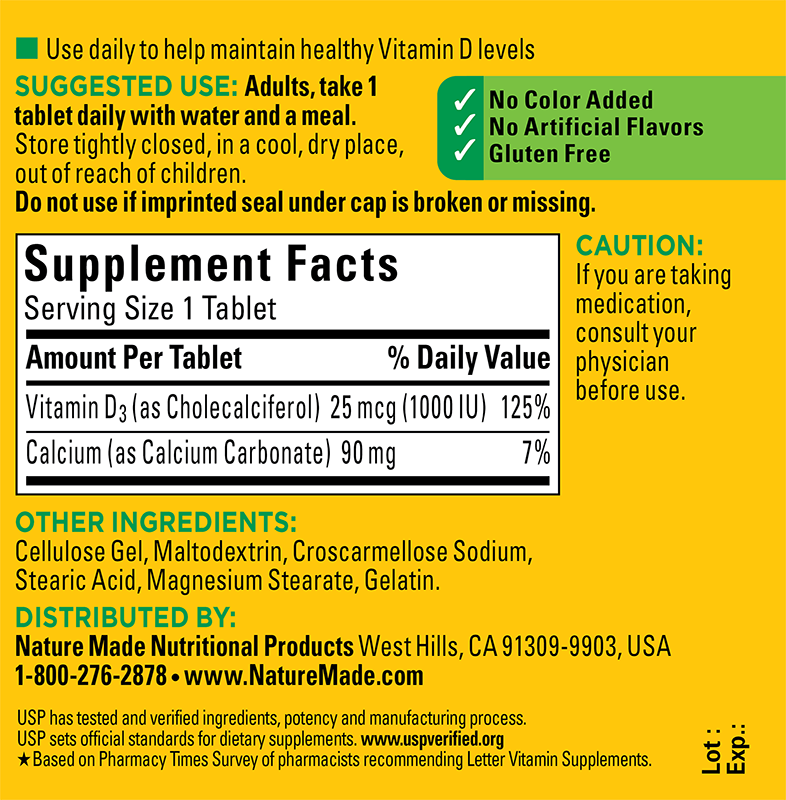
20ng/ml is no help to laymen. Why not translate and talk about x number of International Units or x number of mg per day. We read enough medicine bottles to have a fair understanding of milligrams.
MORE IMPORTANTLY, IUs and MGs are the terms that appear on supplement bottle labels.
I'm a retired lawyer. What would you understand if I told you, my client, are using a device that renders you liable for a lawsuit you can't win because the design and operation of the device is such that res ipsa loquitor? You can get the Latin and still not understand the meaning.
James A. Boatright
January 2, 2017
The reason for measuring serum 25(OH)D3 levels is that dose response varies greatly from one individual to the next. Obese subjects require much more vitamin D3 supplementation to raise their serum levels than do non-obese people, for example. Outdoor occupations in Southern latitudes likely make participants replete in vitamin D3 without supplementation, as would a diet heavy in fatty fish. Basing medical studies upon dosage instead of serum levels is a serious error, as is lumping the doses (for improved compliance). Many historic studies of vitamin D seem almost to have been designed to fail.
Monique Tello, MD, MPH
January 3, 2017
I agree with Mr. Boatright's answer below.
Glenn Kulbako
January 2, 2017
The article doesn't address what my physician has told me, that there is a ceiling for Vitamin D levels, above which certain serious side effects may occur.
Also, regarding evolution, wouldn't the effects of regular winter migration affect historic D levels, which for the most part no longer exist — as well as the more recent compounding nature of office/factory work, dark cities, etc?
James A. Boatright
January 2, 2017
No adverse effects have been clinically reported for serum 25(OH)D3 levels below 300 ng/ml. I recommend co-supplementation with vitamin K2 to maintain proper calcium metabolism with heavy vitamin D3 supplementation.
Best estimate evolutionary serum 25()H)D3 levels are about 60-65 ng/ml. Neanderthal extinction might well have been exacerbated by reproduction failure due to vitamin D3 deficiency. Our homo sapiens sapiens ancestors happened to know how to fish.
Monique Tello, MD, MPH
January 3, 2017
Per Uptodate: "The first measurable consequences of vitamin D toxicity are hypercalciuria and hypercalcemia, which have been observed only at 25(OH)D levels above 88 ng/mL (220 nmol/L)"
Margaret Hazlewood
January 2, 2017
A few years ago I asked my doctor to test my vitamin D level and she was reluctant to include this as I was healthy overall and had no history of vitamin D deficiency. But then I never had my vitamin D levels checked. I insisted because I had recently read an article on research conducted in Canada which indicated that darker skinned people(including blacks, east/south asians, mixed) were found to be vitamin D deficient. My test results showed I was severely deficient. Now she insists I keep taking the supplements as I will never get enough sun. This article should put more emphasis on climate and skin colour. Skin exposure to sun may only happen for two months of the year, and not even then if it is cool summer.
Kathy Mercier
January 3, 2017
Your comments are right on particularly because people of color as well as the physicians who treat them are unaware of the effects of low vitamin D levels. I learned so the importance of an adequate Vitamin D level after my multiple sclerosis diagnosis, as well as attending many, many presentations by neurologists from across the country. It is also important to note that vitamin D supplementation should be individualized based upon a particular individuals ability to regularly maintain a satisfactory level. More supplementation for some above the recommended daily allowance may be needed based upon the individual's ability to maintain an adequate level. It has been suggested that families with more than one first degree relative with MS provide added Vitamin D supplemtation for their children to mitigate for possible development of MS. Of course, one should always consult a physician for appropriate advice on this issue.
Monique Tello, MD, MPH
January 3, 2017
I agree; you would fall into the high-risk category described in the last paragraph of this article.
Judy Cantwell
January 2, 2017
An often neglected side effect of low vitamin D is depression. I am a psychotherapist in private practice. As I assess (all) clients for depression I encourage them to have their vitamin D level measured. Adequate vitamin D may eliminate some depressive symptoms.
Monique Tello, MD, MPH
January 3, 2017
Hello Judy, Thanks for your input, Vitamin D repletion and/or supplementation may be beneficial for depression, but the evidence is contradictory and more research is needed. 2017 review of multiple studies: "There remains a need for empirical studies to move beyond cross-sectional designs to undertake more randomised controlled longitudinal trials so as to clarify the role of vitamin D in the pathogenesis of depression and its management, as well as to establish whether currently suggested associations are clinically significant and distinctive." Vitamin D and depression. Parker GB1, Brotchie H2, Graham RK2.J Affect Disord. 2017 Jan 15;208:56-61. doi: 10.1016/j.jad.2016.08.082. Epub 2016 Oct 11.
After reading several dozen study's and abstracts on vitamin D , also known as the anti-ageing vitamin. I am still, only, confused and will stick with my 2k mg twice daily regimen. Four thousand daily,
My mother is 93 in a nursing home If it were not for me providing the Vitamin D3 for her osteoporotic bones she would get nothing.. Her skin never experiences sun to create the D. If you work indoors and live in the North East you better get some supplements or risk health issues! Figures Harvard at it again trying to undo what everyone knows is critical for health
ken osborn, retired lab rat
January 2, 2017
In 2008 my acupuncturist recommended taking a vitamin D supplement at 4000 IU/day because my bone mass was low (osteopenia). I thought he was crazy. But then I did the calculations with another chemist on how much vitamin D equivalent I had received via sun exposure during my 10+ hour long days in the sun as a former swimmer not using protection from UVA/B: 100,000 IU/day in Sacramento's summer sun.
Now that was a theoretical calculation and not really reflective of what my vitamin D level was, but it convinced me to try the recommended 4000 IU/day with the caveat that I would get my blood levels checked and if they exceeded the upper safe level, I would cut back.
A year later I was still taking 4000 IU/day, my blood level was 50 ng/mL, bone mass had not changed, and my usual 3-4 viral infections/year were non existent. I was not looking for an immune response, but based on this personal scientific study of N=1, I'd have to say that bone health is only one facet of vitamin D biochemistry.
James A. Boatright
January 2, 2017
You are correct. Bone health just happened to be the first benefit of vitamin D3 to be discovered.
However, one cannot make more than the equivalent of 20,000 IU of vitamin D3 per day due to cutaneous exposure to UV-B radiation. The process is self-limiting.
Monique Tello, MD, MPH
January 3, 2017
Your personal study with N of 1 is noteworthy, and the reason that more quality research in this area is sorely needed. Thank you for sharing your experience.
Iwona Turlik
January 2, 2017
After TT my endocrinology doctor prescribed 50 000 units of D2 once a week and 5000 units of D3 every day. My D level is 53ng/ml . I have read most publications on subject and was concerned that I am taking to much of vitamin D….. Few days after stopping taking the daily dose I could not climb the stairs…… So I went back and feel great again, but I am still concerned how much is to much. On the support website for people with thyroid cancer the recommendation is for vitamin D above 70 ng/ml, perhaps this should be addressed in your recommendation .
Monique Tello, MD, MPH
January 3, 2017
Hello Iwona, per the standard medical "textbook" we use, Uptodate: "The first measurable consequences of vitamin D toxicity are hypercalciuria and hypercalcemia, which have been observed only at 25(OH)D levels above 88 ng/mL (220 nmol/L)".
Dr. Finkelstein's evolutionary argument may be flawed if it does not account for the fact that we spend most of our time indoors, unlike our ancestors. Darker skin evolved in populations that were heavily exposed to UV radiation. Such protection against UV would not preclude them from still producing large amounts of Vit. D from sunlight, given their exposure.
Monique Tello, MD, MPH
January 3, 2017
Dave- Good observation and thanks for sharing. This can be a wonderful forum for real thinkers so I appreciate your input.
Anne Sherrod
January 2, 2017
Hey Doctors,
Where do you men and women live? I understand Boston isn't the sunbelt, but I live in British Columbia, Canada in a valley between two steep mountain ranges. From early November to early February we get no more than about 3 – 4 hours of sunlight a day, and just a little more than that in autumn and early spring; and people aren't out in the snow in their bathing suits. That was before climate change. Now we get the 3-4 hours of sunlight maybe a couple of times per winter, because climate change put more moisture in the air and covered our valley with continuous cloud cover. Where is there any parameter in your deliberations for this? Every year for years I've experienced huge exhaustion and poor health in very early spring — I take it the cumulative effect of little sunlight over the winter. I pick up as the days get longer.
Monique Tello, MD, MPH
January 3, 2017
There may be a connection, but per the existing evidence, it's hard to say for sure. I do check Vitamin D levels in my patients with depression, and recommend supplementation if it is low or even low-ish, because the potential benefits outweigh the risks. But I have to be honest with people that this recommendation is based on anecdote rather than established evidence. The most recent literature review on this topic from Pubmed, 2017: J Affect Disord. 2017 Jan 15;208:56-61. doi: 10.1016/j.jad.2016.08.082. Epub 2016 Oct 11. Vitamin D and depression. Parker GB1, Brotchie H2, Graham RK2.
Abstract
OBJECTIVE:
To examine whether vitamin D deficiency or insufficiency is associated with depression and whether vitamin D supplementation is an effective treatment for depression.
METHOD:
Empirical papers published in recent years were identified using three search engines and online databases – PubMed, Google Scholar and Cochrane Database. Specific search terms used were 'vitamin D', 'depression' and 'treatment' and articles were selected that examined the association between vitamin D deficiency/insufficiency and depression, vitamin D supplementation and Vitamin D as a treatment for depression. Our review weighted more recent studies (from 2011), although also considered earlier publications.
RESULTS:
Empirical studies appear to provide increasing evidence for an association between vitamin D insufficiency and depression, and for vitamin D supplementation and augmentation in those with clinical depression who are vitamin D deficient. Methodological limitations associated with many of the studies are detailed.
LIMITATIONS:
Articles were restricted to those in the English language while publication bias may have weighted studies with positive findings.
CONCLUSIONS:
There remains a need for empirical studies to move beyond cross-sectional designs to undertake more randomised controlled longitudinal trials so as to clarify the role of vitamin D in the pathogenesis of depression and its management, as well as to establish whether currently suggested associations are clinically significant and distinctive.
Richard Hebert
January 2, 2017
Thank you Mr. William B.Grant.
Here is the real answer. Vitamin "D" cost nothing and may save you a lot of trouble.
Monique Tello, MD, MPH
January 3, 2017
Yes, Vitamin D is worth trying as it is harmless, at non-toxic levels. More studies are needed to make definitive recommendations, though.
Richard Hebert
January 2, 2017
I think this is all B.S……
I am taking 4000 I.U. a day and never have any problem. I have been diagnose with osteoporosis and since I take on a daily basis my vitamin "D" and glucosamine which is a natural product, I am not feeling anymore pain in my neck and my hands.
I also exercise 3 times a weeks which it help of course. I am 66 year old and do not take any chemical product at all and stay away from it. I even stop taken my pills for my prostate and replace it with a herb tea call hoary willowherb and feel even better and having no problem at all. Heat well and stay away from any produce foods and chemical products and you should save yourself a lot of trouble.
Monique Tello, MD, MPH
January 3, 2017
Thanks for sharing your experience!
David Evanoff
January 2, 2017
… osteoporosis expert Dr. Joel Finkelstein, … "Yes, we can get vitamin D from the sun, but our bodies evolved to create darker skin in the parts of the world that get the most sun. If vitamin D is so critical to humans, why would we evolve in this way, to require something that is hard to come by, and then evolve in such a way as to make it harder to absorb?"
Because evolution can involve compromises. Melanin, which hinders vitamin D production, provides protection from skin cancer, and preserves serum levels of folic acid. With vitamin supplementation we might overcome this compromise.
https://www.ncbi.nlm.nih.gov/pubmed/22116700
Monique Tello, MD, MPH
January 3, 2017
Thanks David, this is a very logical observation and theory, thank you for sharing.
One reason that we evolved darker skin is to help reduce skin cancer. So it's a balance, your skin needs to adjust to the sun, but not so much that you don't get vitamin D produced. Many things in the body are a compromise and too little/too much are harmful. People with darker skin who immigrate to more Northern locations don't get enough sun.
The lifestyle of North Americans can be such that one gets nearly no sun for a large part of the year, which is a fairly new change in lifestyle and not adjusted for by evolution.
For myself, I work from home a lot and spent pretty much a whole summer outside, at the end of which I was diagnosed vitamin D deficient. So there is more to it than just black and white sun exposure for some individuals like myself. I would never have known this if I hadn't been tested and I'm grateful that my doctor decided to check it.
Monique Tello, MD, MPH
January 3, 2017
Thanks SteveD, and my general suggestion when someone has an inexplicably low Vitamin D level is to check for malabsorbtion disorders like Celiac Sprue, or to discontinue medications that can interfere with absorption like acid reducing pills.
holly hansen
January 2, 2017
what about vitamin d contributing to hardening of the arteries and exacerbated by too much vitamin d?
Monique Tello, MD, MPH
January 3, 2017
Hi Holly, too much calcium may have that effect, but I am not aware of Vitamin D in and of itself having that effect.
Amos Johnson
January 2, 2017
I was diagnosed with Vitamin D deficiency; I take 1000 mg daily, my skin color is dark; I live in Canada, how long should I take Vitamin D? Also, I had surgery for prostate x 2, is there any connection?
Amos
Monique Tello, MD, MPH
January 3, 2017
Amos, if you have dark skin, you are at risk for Vitamin D deficiency, and you should have your levels checked. As far as any cancer connection, I am not seeing anything definitive.
vince miraglia
January 2, 2017
It is interesting that you neglected to mention the following At least one expert on the committee is I believe lead investigator in the VITAL trail testing weather vitamin d supplementation has an effect on cancer or heart disease. The linkage between low levels of d and many diseases is clear although it may not be causative. Their is even evidence that UVR may have benefits in addition to vitamin d production "UV radiation suppresses experimental autoimmune encephalomyelitis independent of vitamin D production " "….These results suggest that UVR is likely suppressing disease independent of vitamin D production, and that vitamin D supplementation alone may not replace the ability of sunlight to reduce MS susceptibility." Proc Natl Acad Sci U S A. 2010 Apr 6; 107(14): 6418–6423. As to "'I spoke with osteoporosis expert Dr. Joel Finkelstein, perhaps you should have also spoken with equally qualified experts who hold opposing opinions for example "Heike Bischoff-Ferrari and Walter Willett
Comment on the IOM recommendations released on November 30th 2010[1]: For adult bone health, low on Vitamin D and generous on Calcium
Monique Tello, MD, MPH
December 24, 2016
To Ms. Grant and M. Palin: I've combed the peer-reviewed literature on Vitamin D, and I am not seeing any definitive cumulative evidence for the list of human benefits you mention. Even the articles that seem slanted to favor such outcomes all end with something like "Although accumulating evidence supports biological associations of vitamin D sufficiency with improved physical and mental functions; no definitive evidence exists from well-designed; statistically powered; randomized controlled clinical trials. ". (this was from 9/16: Non-musculoskeletal benefits of vitamin D. Wimalawansa SJ. J Steroid Biochem Mol Biol. 2016 Sep 20. pii: S0960-0760(16)30252-7. doi: 10.1016/j.jsbmb.2016.09.016.) It would be great were all those benefits proven, because Vitamin D is cheap and accessible. We'd all be prescribing it all the time. For now, the evidence jury is out on this, and we are likely years away from any clinical guidelines on the extraskeletal benefits of Vitamin D. Because Vitamin D supplementation is relatively harmless, and it is true that it is difficult to reach toxic levels (as per commenter Braun above), I do prescribe Vitamin D supplementation for "off-label" purposes, as in depression and fatigue. The reason is that some patients do report an improvement in symptoms. This is practice based on anecdotal evidence, not published evidence, and I inform my patients as such.
Antonin Sekvenc
January 2, 2017
..nothing wrong with testing, finding results is good for older or not 100% healthy but the cost! (100+dollars) is not too inducing .. 🙂
James A. Boatright
January 2, 2017
Monique, I urge you to contact grassrootshealth.com or the Vitamin D Council, or even University of SC Med Center or UCSD. I am a member of the D-Action cohort at grassrootshealth. You cited one of the papers by Drs. Robert P. Heaney and Michael F. Hollick.
They recommend serum 25(OH)D3 levels of 40-60 ng/ml for healthy people. I personally double this range because of a recent prostate cancer scare.
vincemiraglia
January 3, 2017
I would like to note several facts a very interesting piece by highly qualified leaders in the field From "Why the IOM recommendations for vitamin D are deficient†" By Heaney and Hollick " '…….Both the authors of this Perspective served as members of the panel that drafted the 1997 report of the IOM on the DRIs for calcium and vitamin D. That report was the first issued by the IOM under the then-new evidence-based guidelines for evaluating studies and making recommendations. We are thus familiar with the process and, most important, with vitamin D itself. On the basis of this experience, we respectfully dissent from many of the findings and recommendations in the current report, and we set forth here a small fraction of the reasons for that dissent.' "
First, logic. Since the panel, in its judgment, concluded that it did not know whether there might be nonskeletal benefits (or at what blood level they could be ensured), then it is patently incorrect to say that they know that people are getting enough. The most the panel could have said logically was, "Here's what you need for bone; most people get that much; ….Second, science. The statement that skeletal health can be ensured at serum 25(OH)D levels of 20 ng/mL is simply incorrect. Without going into an exhaustive recital of all the evidence pointing to a skeletal need for higher levels, we cite here three illustrative observations that, in our collective judgment, indicate that instead of 20 ng/mL, a serum level of 30 ng/mL is closer to the bottom end of the acceptable range for skeletal health. …"'….Finally, guidance. At already noted, the panel indicated that it was uncertain about extraskeletal benefits—benefits that might accrue at intakes above the new intake recommendations. At the same time, the panel raised the upper-level intake "TUIL" to 4000 IU/day. (The report acknowledges that intakes up to 10,000 IU/day are probably safe for everyone and applied an uncertainty factor10 to that 10,000-IU figure to generate the 4000-IU TUIL'
I would like you to address those points .Please.
Saibal Mitra
December 23, 2016
""…If vitamin D is so critical to humans, why would we evolve in this way, to require something that is hard to come by, and then evolve in such a way as to make it harder to absorb?""
It's actually not hard to come by if your skin is exposed to the Sun every day for about half an hour. Once one recognizes this, the answer to the question is quite obvious, I've explained this in detail in a comment to a BMJ article, see here:
http://www.bmj.com/content/355/bmj.i6183/rr
Monique Tello, MD, MPH
January 3, 2017
Thanks so much for sharing- appreciated-
Thomas A Braun RPh
December 20, 2016
I was told in medical school that more than1000 iu's of Vitamin D daily was poisonous. This false information has been in the textbooks for over a half century. It has formed a false mindset in medicine. Here are the citations:
In 1948 Cleveland Clinic Quarterly Apr; 15(2):82-9 published a paper call "Hypervitaminosis D; report of nine cases.(1)
It recited extreme examples of patients taking mega doses of Vitamin D. On page 88 of the Quarterly, the following statements were made. Intoxication has been reported to result from as little as 1000 international units per kilogram per day.(2) This information found its way into medical text books except for the words "per kilogram" which were omitted. The result was that Vitamin D is actually up to 70 times more safe than the medical community has been lead to believe because the average adult weights about 70 kilograms. The next sentence after dosage statement is as follows: On the other hand, it has been tolerated by others in doses up to 35,000 international units per kilogram per day.(3)
1. https://www.ncbi.nlm.nih.gov/pubmed/189095251
2. Reed, C. I.. Struck, H. C., and Steck, I. E.: Vitamin D: Chemistry, Physiology, Pharmacology, Pathology, Experimental and Clinical Investigations. (Chicago: University of Chicago Press, 1939
3. Steck, I. E., Deutsch, H., Reed, C. I., and Struck, H. C.: Further studies on intoxication with vitamin D. Ann. Int. Med. 10:951-964 (Jan.) 1937.
Man migrated away from the sun and lost the melanin. The natural sunscreen. Our sun is our source for health and Vitamin D. Our aquatic biologists know this and use Vitamin D lamps to keep the aquatic animals in our Shedd aquarium in Chicago healthy.
Why is there denial in the medical community?
James A. Boatright
January 2, 2017
Not only were your medical textbooks wrong, they were purposely wrong. Vitamin D3 is a safe and inexpensive dietary supplement widely available. If patients knew they could avoid extremely expensive and sometimes deadly medical treatments for cancers and heart disease with a cheap over-the-counter supplement, which would they choose? Heart disease and cancer are billion dollar industries.
Suplement or not? Benefits even your levei is okay? Highing it up even more?
Monique Tello, MD, MPH
January 3, 2017
Well, Ran, that is the controversy. To date, there is no definitive evidence to suggest that increasing your levels above normal has any benefit. And there's alot of controversy about what's normal.
William B. Grant
December 19, 2016
The benefits of UVB exposure and vitamin D extend far beyond bone health. Evidence comes from ecological, observational, clinical, laboratory studies and clinical trials. Vitamin D has been shown to greatly reduce the risk of many types of cancer and increase survival. Other benefits include reduced risk of cardiovascular disease, dementia, autoimmune diseases such as multiple sclerosis, respiratory infections such as influenza and pneumonia, and all-cause mortality rate. The interested reader can find the literature at http://www.pubmed.gov and scholar.google.com.
Erik V. Palin
December 20, 2016
You have "spoken" everything I was thinking! Why didn't they have had taken this aspects in consideration when doing this article?! Vitamin D is not just about bone health.
John Houston
January 2, 2017
I agree with Mr. Grant. There are numerous human biologic processes involving Vitamin D which are affected by low levels. There seems to be significant anecdotal evidence of benefits toward Cancer treatment, Dementia, Immune System, Mental Health, and many other processes. The appropriate level being argued by Bone Experts is not the proper way to consider guiding Physicians treating Patients. Supplementation is not easily overdosed to toxic levels and is at reasonable cost, so why not gain the benefits to overall health. A minimum level guideline considering only bone health is ill advised and will deny patients the numerous other benefits of Vitamin D, if followed.
Lynn Myers MD
January 2, 2017
Exactly: There is abundant literature beyond bone that was not addressed by this article.
Monique Tello, MD, MPH
January 3, 2017
The Uptodate medical team has extensively reviewed the literature, and they did include authors from all the different "ideal levels" camps. Per Uptodate: "a causal association between poor vitamin D status and nearly all major diseases (cancer, infections, autoimmune diseases, and cardiovascular and metabolic diseases) has not been established. We suggest not administering vitamin D supplements above and beyond what is required for osteoporosis or fall prevention."
Monique Tello, MD, MPH
January 3, 2017
Thanks William, appreciate your input. There may be all these benefits, and certainly the potential benefits outweigh the risks as Vitamin D toxicity is truly rare. However, the Uptodate medical team has extensively reviewed the literature, and they did have authors from all the camps. Per Uptodate: "a causal association between poor vitamin D status and nearly all major diseases (cancer, infections, autoimmune diseases, and cardiovascular and metabolic diseases) has not been established. We suggest not administering vitamin D supplements above and beyond what is required for osteoporosis or fall prevention."
Commenting has been closed for this post.